Custom Rubber Molding for Noise Reduction and Vibration Control
Understanding Custom Rubber Molding Technologies
Overview of Molding Processes
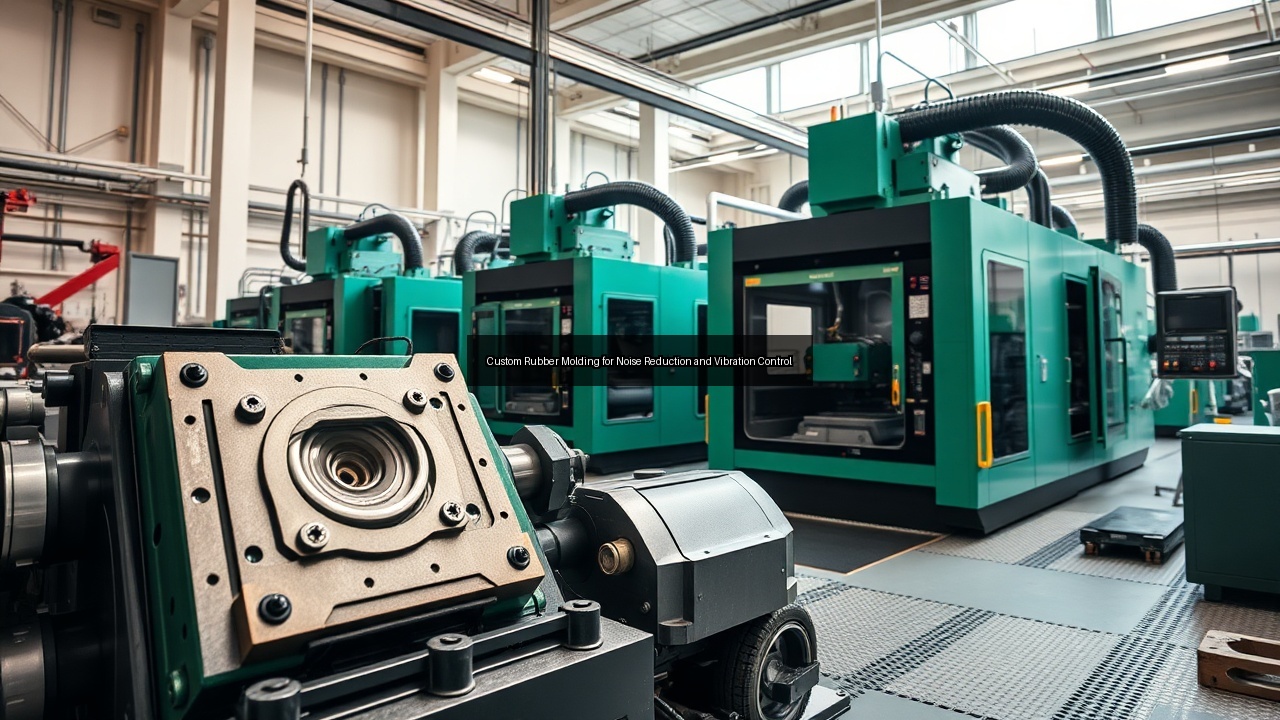
Custom rubber molding encompasses various manufacturing techniques, each tailored to specific applications and material types. These processes transform raw rubber into functional components, utilizing heat and pressure to achieve desired shapes and properties. Key molding methods include injection molding, compression molding, and transfer molding. Each method has its unique advantages, making it essential to understand their differences when selecting the appropriate technique for a project.
Injection Molding vs. Compression Molding
Injection molding stands out as one of the most efficient techniques in custom rubber molding, particularly for high-volume production. In this process, heated rubber material is injected into precisely designed molds, allowing for intricate shapes and tight tolerances. This method excels in creating complex components like grommets, gaskets, and bushings, ensuring consistency rubber custom molding and speed in manufacturing. On the other hand, compression molding involves placing rubber into a heated mold cavity where it is compressed to form the desired shape. This technique is often more cost-effective for lower production runs and larger parts, such as bumpers, where precision is less critical. Understanding the distinctions between these methods helps manufacturers make informed decisions that align with project requirements.
Transfer Molding and Its Applications
Transfer molding combines elements of both injection and compression molding, offering a versatile solution for custom rubber molding. In this process, rubber is pre-heated and then transferred into a mold cavity under pressure. This method is particularly useful for applications requiring precise bonding between rubber and other materials, such as metal or plastic components. Transfer molding finds extensive use in automotive applications, where durability and performance are vital. The ability to create complex shapes while maintaining high tolerances makes transfer molding an excellent choice for engineers looking to enhance product designs while controlling costs.
Applications of Custom Rubber Molding
Noise Reduction Solutions
Custom rubber molding plays a crucial role in developing noise reduction solutions across various industries. The sound-dampening properties of rubber make it an ideal material for producing components like seals, gaskets, and isolation mounts. These products effectively absorb vibrations and reduce noise transmission, enhancing the comfort and functionality of machinery and vehicles. For instance, in building and construction, rubber soundproofing solutions are increasingly used to minimize noise pollution in residential and commercial spaces. By selecting the right rubber compounds and molding techniques, manufacturers can create effective noise barriers that meet specific performance requirements.
Vibration Control in Automotive Engineering
Vibration control is essential in automotive engineering, where excessive vibrations can lead to component wear and driver discomfort. Custom rubber molding provides solutions through the production of vibration-damping components such as bushings, mounts, and isolators. These parts absorb shock and vibrations, ensuring a smoother ride and enhancing vehicle longevity. Manufacturers often use advanced rubber materials like EPDM and silicone, which offer superior resilience and performance under rubber custom molding varying temperature and pressure conditions. By integrating these custom-molded components into vehicle designs, automotive engineers can significantly improve safety and driving experience.
Use in Food Packaging and Clean Room Environments
Custom rubber molding finds applications in the food packaging industry and clean room environments, where hygiene and safety are paramount. Molds crafted from food-grade rubber ensure that packaging solutions meet regulatory standards while providing flexibility and sealing capabilities. In clean room settings, rubber components are critical for maintaining sterile conditions, as they prevent contamination and provide necessary sealing. Custom molded gaskets and seals are essential for creating airtight environments that protect sensitive equipment and products. By selecting appropriate materials and manufacturing techniques, companies can ensure that their rubber components meet the stringent requirements of these specialized applications.
Key Considerations in Custom Rubber Molding Design
Material Selection: EPDM, Silicone, and Elastomers
Choosing the right material is a fundamental step in custom rubber molding design. Different applications demand specific properties, and materials like EPDM, silicone, and various elastomers offer distinct advantages. EPDM rubber is renowned for its excellent weather resistance and durability, making it suitable for outdoor applications. Silicone rubber, on the other hand, boasts high-temperature resistance and flexibility, making it ideal for applications requiring thermal stability. Elastomers provide versatility, allowing manufacturers to tailor properties such as hardness and elasticity to meet exact specifications. Proper material selection not only enhances performance but also ensures longevity and reliability in the final product.
Precision Tolerances and Inspection Techniques
Precision tolerances are critical in custom rubber molding, particularly when creating components that must fit seamlessly into larger assemblies. Accurate design specifications dictate the dimensions and tolerances required for each part. Manufacturers employ various inspection techniques, including digital calipers and coordinate measuring machines (CMM), to ensure that molded parts meet stringent quality standards. By integrating these inspection processes into the manufacturing workflow, companies can identify potential issues early, reducing waste and ensuring that each component performs as intended. Attention to detail in tolerances ultimately leads to higher quality products and satisfied customers.
Temperature and Pressure Considerations
Temperature and pressure play significant roles in the custom rubber molding process. Each molding technique requires specific temperature settings to achieve optimal material flow and curing. For instance, injection molding typically requires higher temperatures to melt the rubber before it enters the mold. Conversely, compression molding may utilize lower temperatures, allowing the rubber to cure under pressure. Understanding the interplay of temperature and pressure ensures that manufacturers achieve the desired physical properties in the final product, such as elasticity and tensile strength. Properly managing these factors during production is essential for maintaining quality and consistency across batches.
Choosing the Right Manufacturer for Custom Rubber Molding
Evaluating Manufacturer Experience and Expertise
Selecting the right manufacturer for custom rubber molding involves evaluating their experience and expertise in the industry. A reliable manufacturer should possess extensive knowledge of molding technologies and material behavior. This expertise ensures they can recommend the best solutions for specific applications, whether in automotive, food packaging, or industrial sectors. Reviewing case studies and client testimonials can provide valuable insights into a manufacturer’s capabilities and reliability. An experienced manufacturer not only delivers high-quality products but also fosters collaboration to refine designs and improve overall performance.
Understanding Tool and Mold Design
Tool and mold design represent critical aspects of custom rubber molding. A manufacturer’s ability to create effective molds directly impacts the quality and precision of the final product. Understanding the principles of mold design, including venting, cooling channels, and release mechanisms, is essential for producing high-quality components. Engaging with manufacturers who prioritize advanced mold design techniques can lead to improved production efficiency and reduced lead times. Effective communication with the manufacturer regarding design requirements ensures that the final molded parts meet client specifications and industry standards.
Importance of Quality Standards: ISO Compliance
Adherence to quality standards, such as ISO compliance, significantly influences the reliability of custom rubber molding manufacturers. ISO certification indicates a commitment to maintaining high-quality processes and continuous improvement. Manufacturers that adhere to these standards implement rigorous quality control measures throughout the production cycle, ensuring that each component meets stringent specifications. Collaborating with ISO-compliant manufacturers provides peace of mind, knowing rubber custom molds that the products will perform reliably while meeting industry requirements. This commitment to quality ultimately enhances customer satisfaction and fosters long-term partnerships in the competitive landscape of custom rubber molding.
See Also
- Exploring the Versatility of Custom Rubber Shapes in Everyday Products
- Tips for Effective Collaboration with Custom Rubber Molding Experts
- Custom Rubber Molding vs Injection Molding What You Need to Know
- How Custom Rubber Molding Transforms Automotive Parts for Peak Performance
- A Comprehensive Guide to Understanding Rubber Molds and Their Applications