How Swiss CNC Lathes Are Revolutionizing Medical Device Production
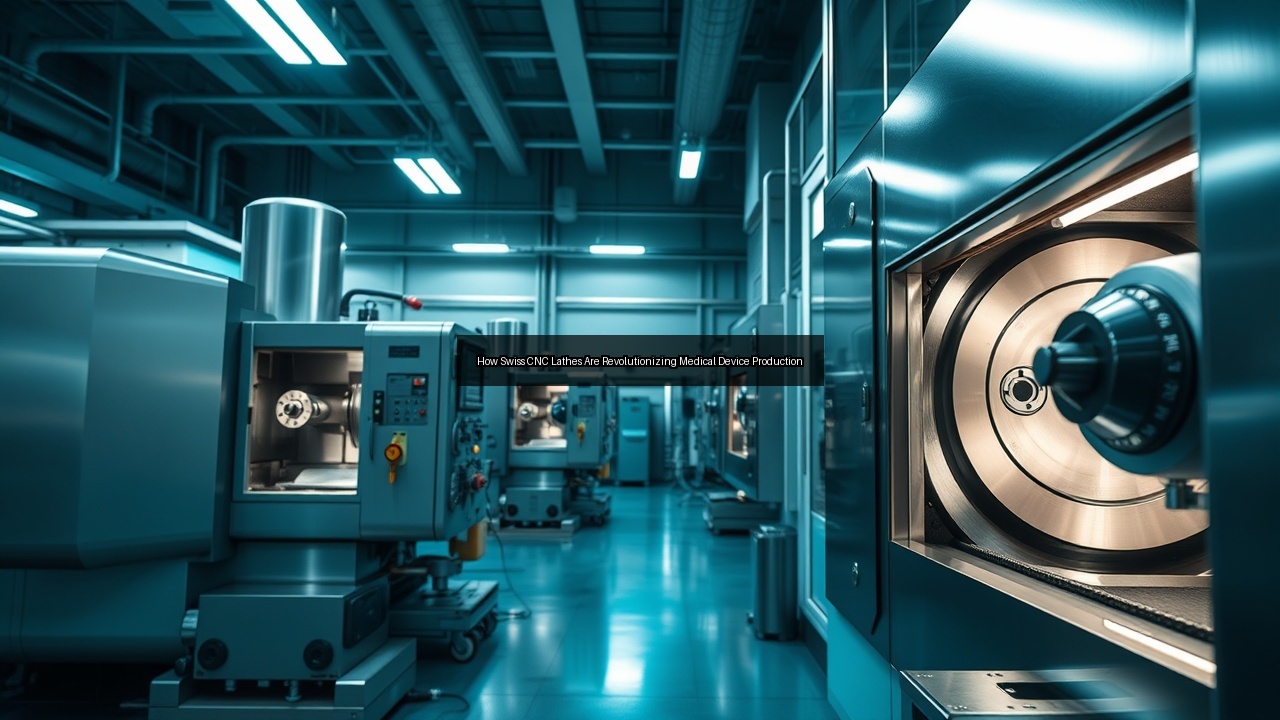
The Impact of Swiss CNC Machining on Medical Device Manufacturing
Understanding Swiss CNC Technology
Swiss CNC machining stands at the forefront of modern manufacturing, particularly in the medical device industry. This technology employs specialized CNC lathes designed for high-precision machining of complex geometries. Unlike traditional lathes, Swiss lathes support the machining of long, slender workpieces while maintaining stability through a sliding headstock. This unique mechanism allows for the efficient production of small parts, such as bushings and fittings, which are prevalent in medical devices. By using a combination of advanced software and automated tools, Swiss CNC machines achieve speeds and tolerances that surpass conventional machining methods, making them indispensable in the production of intricate components.
Key Advantages of Swiss CNC Lathes in Medical Devices
Swiss CNC lathes offer numerous advantages that revolutionize medical device manufacturing. One significant benefit is the ability to produce parts with exceptional precision. These machines can achieve tolerances as tight as a few microns, which is crucial when creating components that must fit perfectly in sensitive medical applications. Additionally, Swiss lathes are designed for high productivity; they can handle multiple operations in a single setup, reducing cycle times and minimizing the need for secondary machining processes. This efficiency not only speeds up production but also lowers costs, allowing manufacturers to respond quickly to market demands. Furthermore, the versatility of CNC machines accommodates a wide range of materials, from metals to polymers, thus expanding the possibilities for innovative medical device designs.
Precision Tolerances: Meeting Industry Standards
Precision tolerances play a critical role in the medical device manufacturing sector. Regulatory bodies impose strict standards to ensure safety and efficacy in medical devices. Swiss CNC machining excels in this area, consistently delivering parts that meet or exceed these stringent requirements. The ability to maintain tight tolerances minimizes the risk of errors that could lead to device failure or patient harm. Swiss lathes incorporate advanced feedback systems that continuously monitor machining parameters, ensuring that each part is produced with the utmost accuracy. Such precision not only enhances product reliability but also builds trust with healthcare professionals and patients alike, reinforcing the importance of quality control in every step of the manufacturing process.
Innovations in Design and Production Processes
Utilizing CAD Software for Enhanced Geometries
Computer-Aided Design (CAD) software revolutionizes the design process in medical device manufacturing. Engineers use CAD to create intricate geometries that would be challenging or impossible to produce using traditional methods. This software allows for the visualization of complex components and facilitates modifications before production begins. By integrating CAD cnc machining centers with Swiss CNC machines, manufacturers can directly translate digital designs into physical parts, ensuring that dimensions remain accurate throughout the machining process. The synergy between CAD and CNC machining streamlines workflow and improves collaboration among design teams, ultimately leading to faster development cycles and innovative device designs that meet the evolving needs of the medical industry.
Automated Tools and Their Role in Efficiency
Automation plays a pivotal role in enhancing efficiency within Swiss CNC machining processes. Automated tools, such as tool changers and robotic arms, reduce manual intervention and minimize the risk of human error. These automated systems allow for continuous operation, significantly increasing production capabilities. In medical device manufacturing, where time-to-market is crucial, this efficiency can translate into substantial competitive advantages. Moreover, automated processes enable manufacturers to maintain consistency across large production runs, ensuring that each component is machined to the same high standards. As technology advances, the integration of artificial intelligence and machine learning into CNC machines promises to further optimize operations, leading to smarter manufacturing solutions.
Speed and Accuracy: The Benefits of CNC Lathes
The speed and accuracy of Swiss CNC lathes set them apart in the competitive landscape of medical device production. These machines can execute complex machining tasks at remarkable speeds, reducing cycle times significantly. High-speed machining is essential for meeting the increasing demand for medical devices, especially in a fast-paced market. This efficiency does not compromise accuracy; CNC lathes maintain stringent tolerances while operating at high speeds, ensuring that the quality of the finished product remains uncompromised. The combination of speed and precision makes Swiss CNC machining a preferred choice for manufacturers aiming to deliver innovative solutions promptly without sacrificing quality.
Quality Control and Testing in Medical Device Production
Implementing Quality Control Measures in CNC Machining
Quality control is paramount in the production of medical devices. Manufacturers employ rigorous quality control measures throughout the CNC machining process to ensure that components meet regulatory standards and customer expectations. This includes implementing inspection protocols at various stages of production, such as in-process measurements and final inspections. Advanced measurement tools, such as coordinate measuring machines (CMMs), are often used to verify the accuracy of machined parts against CAD models. Additionally, statistical process control (SPC) techniques help monitor production consistency, allowing manufacturers to identify and address any deviations promptly. By prioritizing quality control, companies can mitigate risks and enhance the reliability of their medical devices.
Comparing Swiss Lathes to Traditional Manufacturing Methods
When comparing Swiss lathes to traditional manufacturing methods, the advantages become clear. Traditional machining often requires multiple setups and manual adjustments, which can lead to increased production times and a higher likelihood of errors. In contrast, Swiss CNC lathes perform complex machining operations in a single setup, significantly reducing the risk of misalignment and inconsistencies. Additionally, the automated nature of Swiss machining allows for consistent quality, as machines can replicate processes with precision. This shift not only improves efficiency but also enhances the overall quality of medical devices, making Swiss lathes a superior choice for manufacturers striving for excellence.
Case Studies: Successful Applications in Medical Devices
Numerous case studies highlight the successful application of Swiss CNC machining in the medical device industry. One notable example involves the production of precision surgical instruments, where Swiss lathes enabled the manufacturing of intricate designs with tight tolerances. Another case study features the production of implantable devices, where the ability to machine complex geometries from biocompatible materials was essential. These applications demonstrate how Swiss CNC machining not only meets stringent regulatory requirements but also drives innovation in design and functionality. By showcasing successful outcomes, these case studies reinforce the value of investing in advanced CNC technologies for medical device manufacturing.
Future Trends and Developments in Swiss CNC Machining
Emerging Technologies in CNC Machines
The future of Swiss CNC machining looks promising with the emergence of new technologies. Manufacturers are increasingly adopting advanced features such as additive manufacturing capabilities, which allow for the combination of subtractive and additive processes. This integration opens new avenues for creating complex parts that traditional machining methods cannot achieve. Additionally, improvements in software and automation technologies are enhancing the capabilities of CNC machines, enabling real-time data analysis and predictive maintenance. These advancements will not only increase production efficiency but also facilitate the development of more sophisticated medical devices that meet the evolving needs of healthcare.
Exploring the Role of Swiss Machining in Aerospace and Oil & Gas
While Swiss CNC machining primarily focuses on medical devices, its applications extend to industries such as aerospace and oil & gas. In aerospace, precision components manufactured using Swiss lathes are critical for safety and performance. Similarly, the oil & gas sector relies on high-quality machined parts for drilling and extraction equipment. The versatility of Swiss machining allows for the production of complex components that meet stringent industry standards across various sectors. As manufacturers explore these additional applications, Swiss CNC machining will likely play an increasingly significant role in driving innovation and efficiency in these industries.
Anticipating Future Needs in Medical Device Manufacturing
Looking ahead, the medical device manufacturing landscape will continue to evolve, presenting new challenges and opportunities. As technology advances, manufacturers must adapt to the growing demand for customized medical devices tailored to individual patient needs. Swiss CNC machining offers the flexibility and precision required to meet these demands, allowing for the production of unique components at scale. Furthermore, increased cnc machining centers regulatory scrutiny will necessitate robust quality control measures, making the reliability of Swiss lathes even more critical. By staying ahead of these trends, manufacturers can leverage Swiss CNC machining to drive innovation and improve patient outcomes in the ever-changing medical device market.