Maximizing Equipment Lifespan with Advanced Lubrication Technology
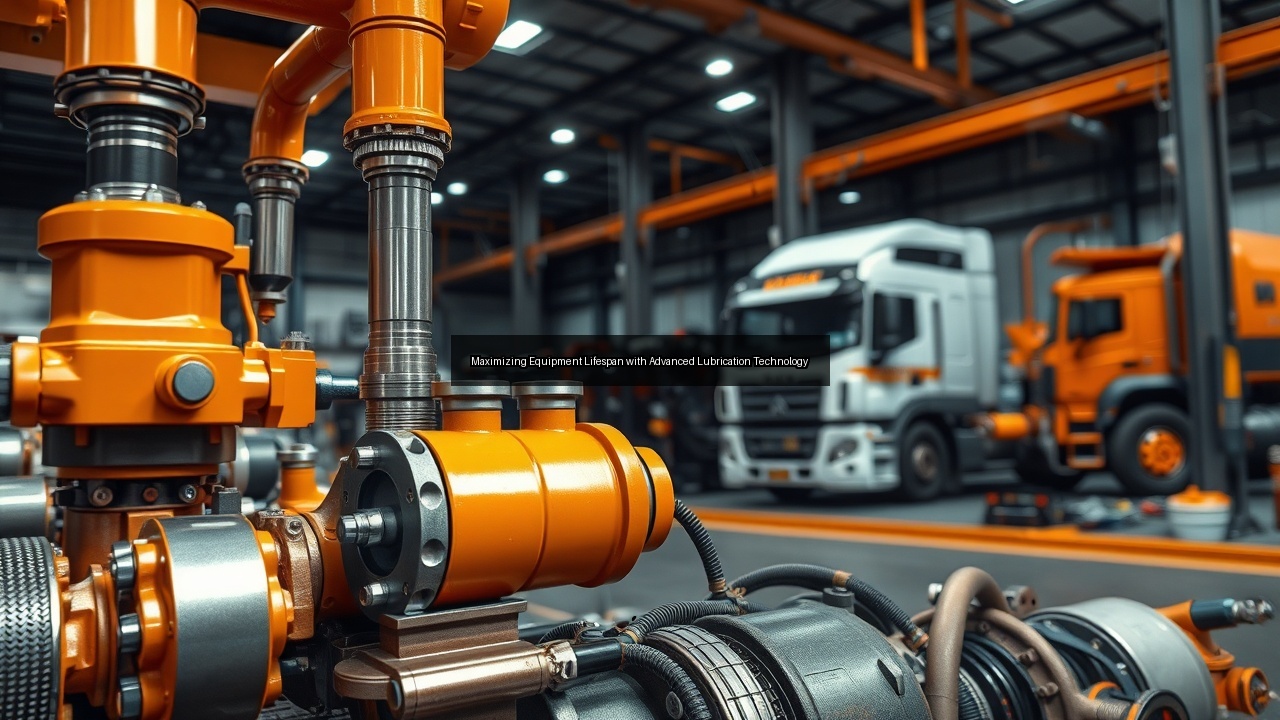
Understanding Automatic Lubrication Systems
What is an Automatic Lubrication System?
An automatic lubrication system, often referred to as an auto lube system, delivers precise amounts of lubricant to machinery components while they operate. This technology ensures that bearings, pumps, and other critical machinery receive the right quantity of lube at the right time, enhancing their performance and extending automatic lube systems their lifespan. Unlike manual lubrication, which relies on human intervention, automatic lubrication systems operate continuously, applying lubricant based on pre-set intervals or real-time requirements. This level of automation reduces the risk of under-lubrication or over-lubrication, both of which can lead to equipment failure and increased maintenance costs.
Key Components of Automatic Lubrication Systems
Automatic lubrication systems consist of several key components that work together automatic grease system to ensure effective lubrication. The primary elements include a pump, which delivers the lubricant, and a series of connectors and greasers that direct the lube to specific points on the machinery. The pumps can vary in design, with options like electric or pneumatic pumps depending on the application. Additionally, the system relies on a control unit that regulates the operation, ensuring the appropriate pressure and quantity of lubricant is delivered. Condition monitoring features may also be integrated, allowing real-time assessment of lubricant levels and the overall health of the machinery.
Types of Lubricants Used in Automatic Systems
Various lubricants are utilized in automatic lubrication systems, tailored to the specific needs of the equipment. Common types include oils and greases, each offering distinct benefits. Oil, often used in high-speed applications like compressors and data centers, provides efficient lubrication and cooling properties. Greases, on the other hand, are ideal for slower-moving machinery, as they adhere better to surfaces and provide prolonged protection. Advanced formulations of lubricants now incorporate additives that enhance performance, reduce friction, and prevent wear. The choice of lubricant plays a crucial role in optimizing the effectiveness of the automatic lubrication system.
The Benefits of Advanced Lubrication Technology
Enhanced Equipment Reliability and Longevity
Implementing an automatic lubrication system significantly enhances equipment reliability and longevity. By maintaining optimal lubrication levels, these systems minimize wear and tear on critical components like bearings and gears. Consistent lubrication reduces friction, which is a leading cause of mechanical breakdowns. When machinery operates smoothly, it experiences less heat buildup, further extending its lifespan. Moreover, the reliability of advanced lubrication systems fosters greater confidence in equipment performance, allowing businesses to focus on productivity rather than concerns about unexpected repairs and maintenance.
Reducing Maintenance Costs with Automation
Automation in lubrication not only streamlines operations but also significantly reduces maintenance costs. Manual lubrication practices often lead to inconsistent application of lubricants, resulting in premature failure of equipment and costly repairs. Automatic systems eliminate this variability by ensuring that the correct amount of lubricant is dispensed consistently. This proactive approach to maintenance reduces the frequency of repairs needed and minimizes downtime. Businesses can allocate resources more effectively, focusing on preventive measures rather than reactive fixes. Overall, automated lubrication translates to lower operational costs and improved bottom lines.
Improving Performance in Data Centers and Heavy Machinery
In high-demand environments like data centers and heavy machinery operations, advanced lubrication technology plays a pivotal role in performance optimization. Data centers rely on a multitude of compressors and cooling systems, which require consistent lubrication to function efficiently. An automatic lubrication system ensures that these components remain well-lubricated, minimizing the risk of overheating and equipment failure. Similarly, heavy machinery utilized in construction or manufacturing benefits from automated lubrication by improving reliability and reducing the risk of breakdowns. The use of lube systems in these applications enhances overall efficiency, leading to improved productivity and reduced operational risks.
Implementing Automatic Lubrication Solutions
Choosing the Right Lubrication System for Your Equipment
Selecting the appropriate automatic lubrication system hinges on understanding the specific requirements of your equipment. Factors to consider include the type of machinery, operating conditions, and the lubricant best suited for the application. For instance, high-speed machinery may require a different pump design compared to slower-moving trucks and trailers. Additionally, the system must accommodate the unique layout of your equipment, ensuring that all critical lubrication points are accessible. Consulting with lubrication experts and assessing various brands and products can guide you in making an informed decision that optimizes machinery performance.
Integrating Condition Monitoring with Lubrication Technology
Integrating condition monitoring with automatic lubrication systems enhances their effectiveness and reliability. Condition monitoring involves tracking the health of machinery components, allowing for real-time adjustments to lubrication schedules based on actual operating conditions. By employing sensors that measure pressure, temperature, and lubricant levels, businesses can gather data that informs maintenance decisions. This integration not only ensures that equipment receives the necessary lubrication but also helps in identifying potential issues before they escalate into costly repairs. Employing such advanced monitoring techniques fosters a proactive maintenance culture that ultimately enhances operational efficiency.
Best Practices for Maintenance and Repairs
Future Trends in Lubrication Technology
The Role of IoT in Automatic Lubrication Systems
The Internet of Things (IoT) is set to revolutionize automatic lubrication systems by introducing unprecedented levels of connectivity and data analytics. IoT-enabled lubrication systems can relay real-time information about equipment performance and lubrication needs, allowing for dynamic adjustments based on actual operating conditions. This level of integration enhances predictive maintenance strategies, minimizing unplanned downtime and improving overall equipment reliability. As businesses increasingly adopt IoT technologies, expect to see smarter lubrication solutions that not only optimize performance but also drive efficiency across all operations. automatic lube system
Innovations in Lubricant Formulations and Delivery Methods
The future of lubrication technology will likely include innovative formulations and delivery methods designed to enhance performance and sustainability. Research continues into advanced lubricants that offer superior protection against wear while reducing environmental impact. Eco-friendly lubricants, biodegradable options, and formulations that minimize friction will gain traction as industries strive for greener practices. Additionally, advancements in delivery methods, such as precision spray systems and smart pumps, will provide even more effective lubrication, tailored to specific machine requirements. These innovations promise to push the boundaries of what automatic lubrication systems can achieve, ensuring machinery operates at peak performance for longer durations.