Transforming 55 Gallon Drums into Efficient Bulk Oil Dispensing Units
Introduction to Bulk Oil Storage and Dispensing Systems
Importance of Efficient Oil Dispensing
Operators transform 55 gallon drum setups into reliable bulk oil storage and dispensing systems that cut downtime and reduce waste. Efficient oil dispensing delivers precise lubricant volumes to equipment, which extends machinery life and lowers operational costs. Facilities that adopt these systems see measurable gains in productivity because clean, consistent fluid flow prevents contamination and equipment failures. Bulk oil dispensing systems support high-volume operations by replacing manual pouring with controlled valves and pumps that maintain steady pressure. This approach minimizes spills and ensures workers handle lubrication tasks faster without repeated trips to storage areas. Companies track fluid usage more accurately when they integrate metering devices, which supports inventory planning and prevents unexpected shortages during peak production periods.
Overview of 55 Gallon Drums in Oil Storage
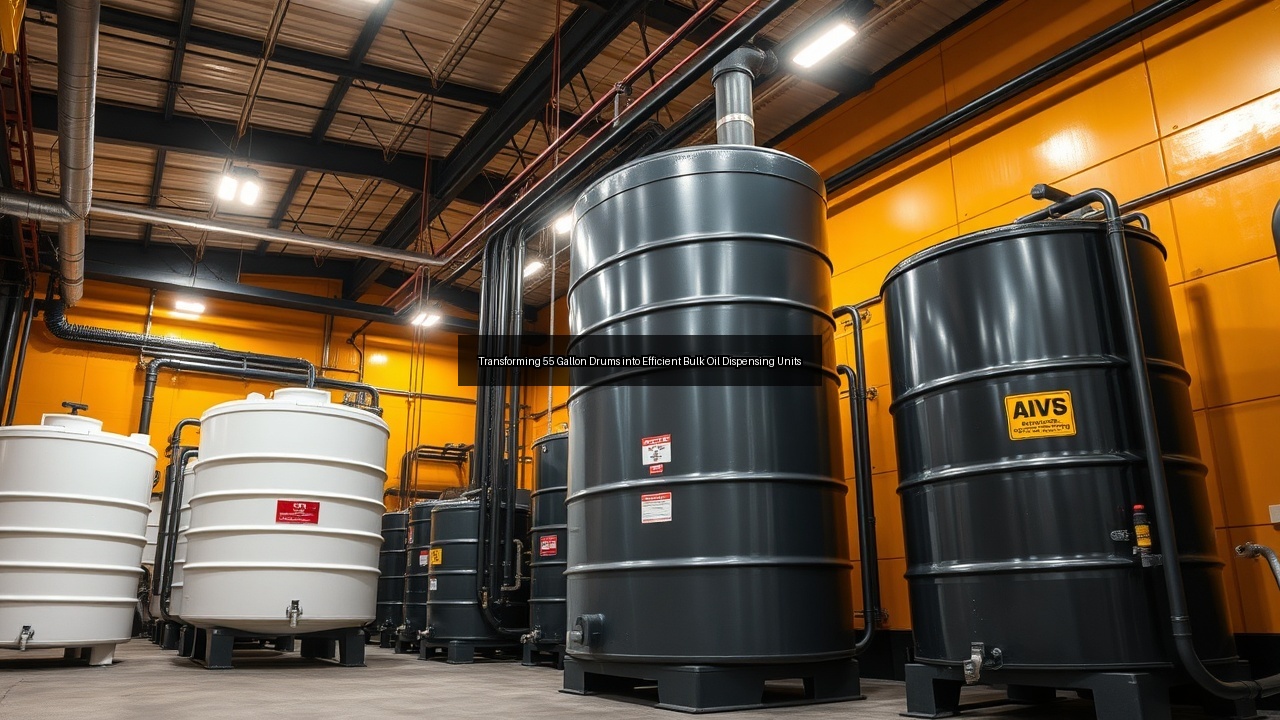
Facilities start with standard 55 gallon drum units because they offer an affordable entry point into bulk oil storage and dispensing systems. These drums hold common lubricant quantities that suit small to medium workshops while allowing easy transport and rotation of stock. Workers mount drums on skids or stands to create gravity feed or pneumatic setups that streamline daily lubrication routines. The 55 gallon drum format fits existing warehouse layouts without major renovations, yet it scales when operations expand by connecting multiple units into larger bulk oil tanks. Proper labeling and rotation prevent old stock from degrading, which keeps lubrication oil fresh and effective. Many sites combine several drums into a centralized station that serves multiple work bays, turning isolated containers into a coordinated bulk oil storage and dispensing network.
Designing Your Bulk Oil Dispensing Unit
Choosing the Right Materials: Steel vs. Polyethylene
Steel tanks deliver rugged durability for permanent bulk oil storage and dispensing systems in industrial settings where impact resistance matters most. Polyethylene tanks resist corrosion from aggressive lubricants and cost less to install in temporary or outdoor locations. Engineers evaluate chemical compatibility first, then factor in weight limits and temperature exposure before selecting either material. Steel options often include welded seams that handle higher pressures during pneumatic dispensing, while polyethylene units feature molded designs that eliminate leak points. Both materials support filtration integration to keep lubricants clean. Site managers compare long-term maintenance needs, noting that steel requires periodic painting while polyethylene resists UV degradation better in exposed areas. The choice directly affects how quickly a bulk oil storage tank can be deployed and how reliably it performs over years of daily use.
Integrating Filtration Systems for Cleaner Lubricants
Filtration systems remove particulates and water from lubricants before they reach equipment, which protects bearings and valves in bulk oil storage and dispensing systems. Inline filters capture debris that accumulates during storage or transfer, maintaining lubricant quality across multiple dispensing cycles. Operators install differential pressure gauges to monitor filter loading and schedule replacements before flow rates drop. Multi-stage filtration combines coarse and fine elements to handle various contaminant sizes common in bulk oils. This setup reduces equipment wear and extends drain intervals, delivering measurable savings on replacement parts. Facilities that prioritize filtration see fewer unplanned shutdowns because clean fluid prevents abrasive damage. Regular filter audits become part of standard procedures to ensure bulk oil dispensing systems continue delivering contaminant-free lubrication oil to critical machinery.
Gravity Feed vs. Pneumatic Dispensing Methods
Gravity feed systems rely on elevation differences to move fluid from bulk oil storage tanks to dispensing points without external power. These setups work well in smaller shops where simplicity and low maintenance take priority. Pneumatic methods use compressed air to push lubricants through hoses at higher flow rates, suiting high-volume operations that need rapid refills. Technicians compare installation costs, noting that gravity feed requires minimal components while pneumatic systems add regulators and air compressors. Both approaches integrate with filtration and metering to maintain accuracy. Gravity feed avoids moving parts that could fail, yet pneumatic dispensing handles viscous lubricants more effectively across longer distances. Facilities choose based on daily throughput demands and existing utility infrastructure to optimize their bulk oil storage and dispensing systems.
Safety and Compliance in Oil Storage
Understanding OSHA and EPA Regulations
OSHA standards require proper labeling, secondary containment, and spill response plans for bulk oil storage and dispensing systems to protect workers from slips and chemical exposure. EPA rules govern storage tank integrity testing and spill prevention to safeguard soil and groundwater from lubricant releases. Compliance teams conduct regular audits that cover drum integrity, valve function, and emergency equipment placement. Facilities document training sessions that teach employees how to handle bulk oils safely during transfer and dispensing. Noncompliance risks fines and operational shutdowns, so many sites appoint dedicated coordinators who track regulatory updates. Proper record-keeping demonstrates due diligence during inspections and supports insurance claims if incidents occur. These requirements shape every aspect of system design from initial tank placement through ongoing maintenance.
Fire Safety Measures for Bulk Oil Systems
Fire safety protocols for bulk oil storage and dispensing systems include grounding equipment to prevent static sparks and installing flame arrestors on vent lines. Operators maintain clear aisles around storage tanks and keep fire extinguishers rated for combustible liquids within easy reach. Automatic shutoff valves stop flow during leaks, reducing fuel available for ignition. Regular inspections verify that electrical components meet hazardous location classifications where flammable vapors may accumulate. Facilities develop evacuation routes and conduct drills that incorporate oil spill scenarios. Proper ventilation prevents vapor buildup in enclosed areas, while bunded containment captures leaks before they spread. These layered measures protect personnel and property while supporting uninterrupted lubrication operations.
Proper Waste Oil Management Practices
Waste oil collection integrates directly with bulk oil storage and dispensing systems through dedicated return lines that route used fluid to separate holding tanks. Workers label containers clearly and schedule regular pickups to avoid overflow. EPA tracking manifests document each transfer, ensuring legal disposal or recycling. Effective programs separate waste streams to prevent cross-contamination that complicates reclamation. On-site filtration sometimes extends usable life of certain lubricants before final disposal. Facilities track waste volumes to identify leaks or overuse patterns in their lubrication oil consumption. Proper management reduces environmental liability and can generate revenue when recyclers pay for clean waste oil streams.
Building and Customizing Your Dispensing System
Welded vs. Skid-Mounted Tanks
Welded tanks provide permanent bulk oil storage and dispensing systems that resist movement and support heavy fluid loads in fixed installations. Skid-mounted tanks offer mobility for facilities that relocate equipment or expand layouts frequently. Welded construction minimizes leak points, yet skid designs allow quick connection of hoses and pumps. Engineers match tank style to site conditions, considering forklift access and foundation requirements. Both options accommodate filtration, metering, and pneumatic or gravity feed components. Skid units speed deployment because they arrive pre-assembled, while welded tanks suit custom capacities that match specific production demands. The decision influences how easily operators can scale their bulk oil storage systems as operations grow.
Installing Oil Dispensing Components
Technicians install pumps, valves, and hoses that connect bulk oil storage tanks to multiple dispensing stations. Proper torque on fittings prevents leaks, while alignment ensures smooth flow through filtration units. Metering devices track usage per machine or department, supporting cost allocation and inventory control. Electrical and pneumatic connections follow manufacturer specifications to maintain system reliability. Installers test each component under operating pressure before releasing the system for daily use. Clear labeling on every valve and line speeds troubleshooting when issues arise. Thorough installation documentation helps future maintenance teams understand the layout of the bulk oil dispensing system.
Maintenance Tips for Longevity
Scheduled inspections of seals, filters, and pumps keep bulk oil storage and dispensing systems operating efficiently for years. Operators replace worn hoses before they crack and clean strainers to maintain flow rates. Lubrication of moving parts follows manufacturer intervals to prevent seizing. Fluid level checks occur daily, with temperature monitoring during extreme weather. Records of all service activities support warranty claims and regulatory compliance. Preventive maintenance catches small problems before they cause spills or downtime. Facilities that follow structured schedules experience fewer emergency repairs and extend the service life of their entire bulk oil storage tank network.
Conclusion: Maximizing Efficiency in Oil Dispensing

The Future of Bulk Oil Storage Solutions
Advanced monitoring sensors now track fluid levels, temperature, and contamination in real time within bulk oil storage and dispensing systems. Automated alerts notify staff when filters need changing or tanks require replenishment. These technologies reduce human error and optimize delivery schedules for bulk oils. Modular designs allow quick capacity increases without full system replacement. Integration with plant-wide data systems supports predictive maintenance that prevents failures before they occur. Manufacturers continue developing lighter materials and smarter valves that improve both safety and throughput. Facilities that adopt these innovations position themselves for sustained gains in lubrication management efficiency.
Best Practices for Effective Lubrication Management
Successful programs standardize procedures for ordering, storing, and dispensing lubricants across all departments. Regular training keeps staff current on proper handling of bulk oil storage and dispensing systems. Cross-functional teams review usage data to identify opportunities for product consolidation and cost reduction. Consistent application of filtration and contamination control extends equipment life and lowers total ownership costs. Documentation of every transfer and maintenance task creates an auditable trail that supports continuous improvement. Organizations that treat lubrication as a core process rather than an afterthought achieve measurable reliability improvements and competitive advantages in their operations.
See Also
- Waste Oil Management Strategies for Efficient Bulk Oil Systems
- The Benefits of Polyethylene Tanks in Bulk Oil Dispensing Systems
- Exploring the Role of Filtration in Bulk Oil Storage and Dispensing
- Staying Compliant with EPA Standards in Bulk Oil Storage
- Gravity Feed vs. Pump Systems for Bulk Oil Dispensing